
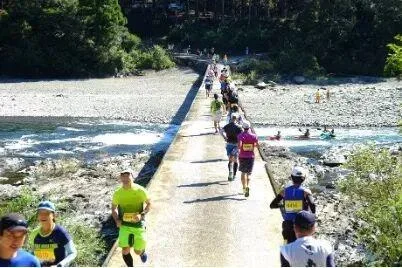
An increasing number of sporting events now take place amidst mountains, rivers, and forests. For participants, these events are not merely physical challenges but also extended experiences in natural settings. Runners, cyclists, and hikers constantly interact with the landscape, fostering a deeper awareness of their connection to the environment. The question is whether such nature-immersive experiences can influence everyday behavior after the event ends, particularly in terms of turning environmental awareness into concrete actions.
A new longitudinal study focused on first-time participants of Japan’s Shimanto River Super Marathon. Researchers surveyed participants before the event, two weeks after, and one month after the race to examine how nature-based sporting events affect pro-environmental behavior, especially the shift from intention to action.
**Background**
Events such as trail running, mountain biking, and super marathons have become key subjects in sports tourism and sustainable tourism research. These events rely on natural environments—forests, rivers, mountains, and coasts—and their appeal lies not only in the sport itself but also in participants’ immersion within nature. However, such events also pose environmental management challenges due to the large number of participants, staff, and visitors. To address this, many organizers now implement green regulations, sustainable operations, eco-education, and environmental protection initiatives to minimize ecological impact and encourage positive environmental attitudes.
Previous studies have linked nature contact, place attachment, and event experience with environmental attitudes and intentions. However, most research has been cross-sectional, focusing on a single point in time. This study uses a longitudinal approach to examine whether participation in nature-based sporting events can sustain pro-environmental behavior over time.
**Theoretical Framework**
The study applies Protection Motivation Theory, which explains how individuals form protective behaviors when facing threats. In this context, threat assessment includes individuals’ appreciation of nature’s value (biosphere values), while coping assessment refers to their perceived ability to take effective action (environmental self-efficacy). The research analyzes how nature-based events influence these psychological factors and, in turn, daily pro-environmental behavior.
**Methodology**
The study focused on first-time participants of the Shimanto River Super Marathon in Kochi Prefecture, Japan. The race runs along the scenic Shimanto River, passing through rural areas and natural landscapes, providing sustained nature contact during the long-distance run.
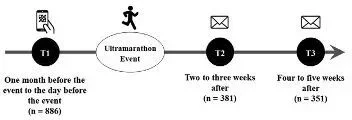
A longitudinal survey was conducted at three time points: one month before the event, two to three weeks after, and four to five weeks after. A total of 122 participants completed all three surveys. The questionnaire measured biosphere values, environmental self-efficacy, daily pro-environmental intentions, and actual daily pro-environmental behavior. Data analysis used paired-sample t-tests and latent growth modeling to examine changes over time.
**Results**
Researchers found a significant increase in participants’ daily pro-environmental behavior after the event, lasting from two weeks to one month after the race, suggesting a sustained impact.
Regarding psychological factors, biosphere values significantly increased after the event, indicating that prolonged nature exposure may reinforce the importance participants place on the natural environment. However, environmental self-efficacy increased but not significantly, suggesting that event participation alone may not directly strengthen the sense of individual ability to take action.
Further analysis showed that both biosphere values and environmental self-efficacy positively influenced pro-environmental intentions. Participants who valued nature more and believed in their ability to act were more likely to form such intentions. Notably, participants with lower pre-event environmental intentions showed the greatest increase in actual behavior after the event, indicating that nature-based events may be particularly effective in changing behavior among those initially less environmentally conscious.
**Implications for Event Organizers**
Nature-based sporting events should go beyond simply reducing environmental impact and actively integrate nature experiences as opportunities for environmental education. Long-term exposure to natural settings helps participants recognize the value of natural resources. Organizers can enhance participants’ understanding of local ecosystems through route design, aid station setups, pre-race briefings, and post-event communication.
Since the study found that events did not significantly boost environmental self-efficacy, organizers should provide specific, actionable strategies for participants to adopt, such as carrying reusable water bottles, sorting waste, reducing disposable items, and sharing environmental tips and post-event initiatives. Collaboration with local governments, environmental groups, and sponsors can embed eco-friendly practices into the entire event operation, encouraging participants to extend sustainable behaviors into their daily lives beyond race day.